Best wire for house wiring Electrical cables are an essential part of modern homes, commercial buildings, industries, communication systems, and water-supply installations. Different applications require different types of cables depending on electrical load, environment, durability, flexibility, and signal requirements.
From PVC insulated electrical wires used for everyday house wiring to TV coaxial cable used for signal transmission and Flat Submersible Cable designed for water pumps, each cable has a specific purpose. Best quality electric wire for house Choosing the right cable can improve electrical performance, safety, reliability, and service life.
which electric wire is best for home In this guide, we will explore three broad categories of cables and understand their common applications, including Twin Core Aluminum Cable, signal transmission cable, copper multistrand wire, and other specialized cable types.
1. Electrical Power Cables
Best electrical wire for house wiring Fire resistant wires and cables Electrical power cables are primarily designed to safely carry electrical current from a power source to appliances, equipment, motors, and other electrical loads.
PVC Insulated Electrical Wires
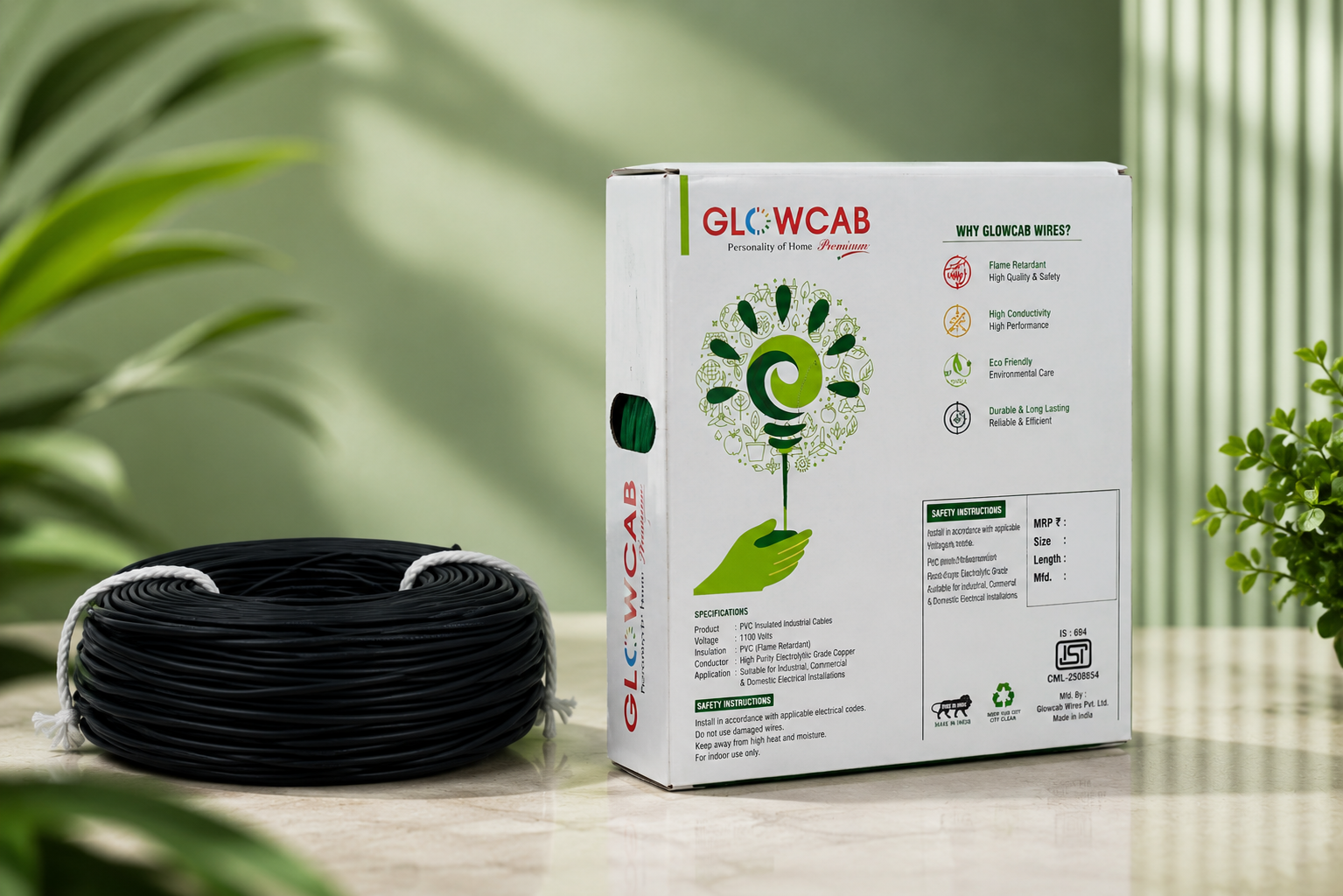
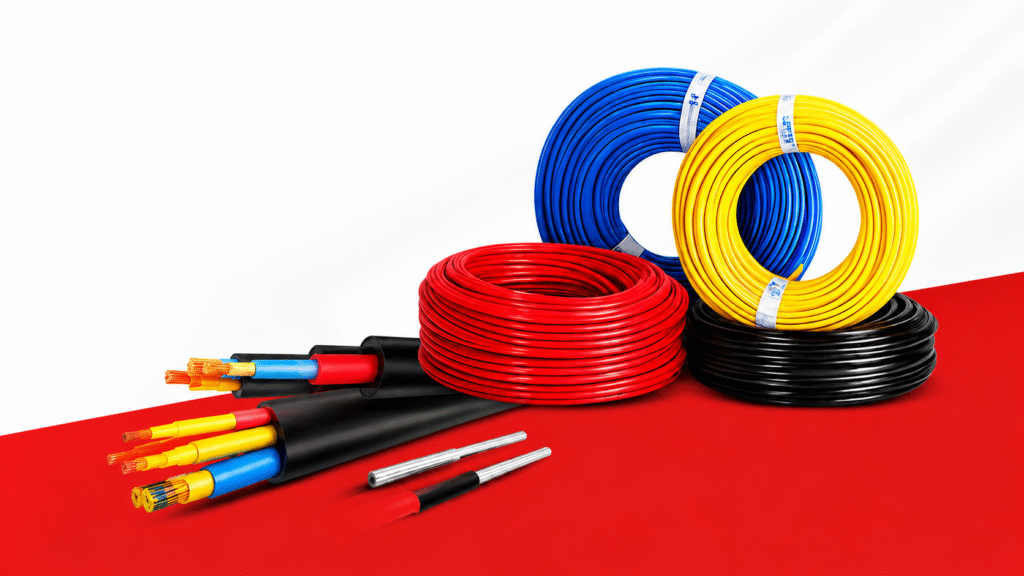
PVC insulated electrical wires are among the most commonly used wiring solutions in residential and commercial electrical installations. Best wire for home PVC insulation provides protection around the conductor and helps protect against electrical contact, moisture, and everyday mechanical stress.
These wires are commonly used for :
- House wiring
- Lighting circuits
- Fans
- Switchboards
- Electrical sockets
- Small appliances
- Commercial wiring applications
When selecting PVC insulated electrical wires, users should consider conductor material, wire size, insulation quality, applicable standards, current-carrying capacity, and installation conditions.
Copper Multistrand Wire
A copper multistrand wire consists of multiple fine copper strands instead of a single solid conductor. This construction provides greater flexibility, making it easier to route the wire around corners and through electrical conduits.
Copper multistrand wires are commonly suitable for applications where flexibility is important. PVC insulated electrical wires best wire for home best wire for house wiring They can be used in control panels, electrical equipment, appliances, and various wiring installations depending on their specifications.
The conductivity of copper makes it a popular conductor material for electrical wiring. However, the appropriate wire size should always be selected according to the electrical load and applicable installation requirements.
Twin Core Aluminum Cable
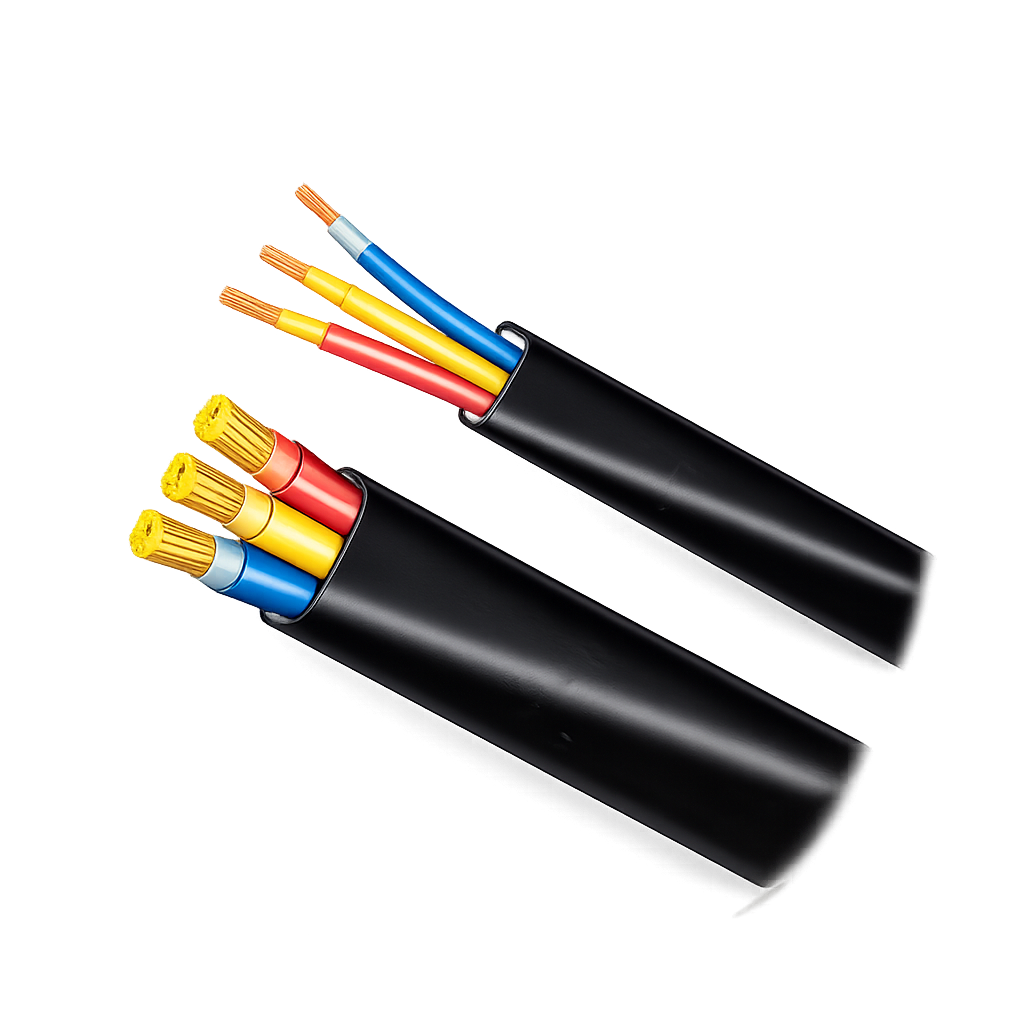
A Twin Core Aluminum Cable contains two aluminum conductors within a common cable construction. Aluminum is lighter than copper and can provide a practical solution for certain power-distribution applications.
Best electrical wire for house wiring Twin-core aluminum cables may be used in suitable electrical distribution and connection applications which is best wire for home where their electrical and mechanical specifications match the installation requirements.
When selecting a Twin Core Aluminum Cable, users should consider conductor size, insulation type, voltage rating, installation environment, permissible current, and applicable standards.
2. Communication and Signal Cables
Best quality electric wire for house FRLS wires and cables Not every cable is designed to carry electrical power. Some cables are specifically engineered to transmit information, audio, video, or other electrical signals.
TV Coaxial Cable
A TV coaxial cable is designed for transmitting high-frequency electrical signals. It typically consists of a central conductor, insulating dielectric layer, types of electrical wire for homes metallic shielding, and an outer protective jacket.
best copper wire for house wiring in india Which is best wire for home Best wiring for home The shielding helps reduce the impact of external electromagnetic interference, allowing the cable to transmit signals more reliably.
TV coaxial cable is commonly used for :
- Television signal distribution
- Cable TV connections
- CCTV systems
- Antenna connections
- RF signal transmission
- Broadband-related applications
The quality of the conductor, shielding, insulation, connectors, and cable construction can influence signal performance.
Signal Transmission Cable
A signal transmission cable is designed specifically to carry electrical signals between devices or systems. These cables are widely used in communication, instrumentation, automation, security, and control applications.
types of electrical wire for homes Unlike power cables, signal cables generally focus on maintaining signal integrity rather than carrying high electrical loads.
Applications can include :
- Communication equipment
- Industrial control systems
- Instrumentation
- Security systems
- Audio and video equipment
- Automation systems
The correct signal transmission cable depends on factors best wiring for home such as signal frequency, distance, interference levels, shielding requirements, and environmental conditions.
3. Specialized and Submersible Cables
Best copper wire for house wiring in india Certain environments require cables with specialized construction. Water-based applications are one example where ordinary electrical wires may not be suitable.
Flat Submersible Cable
A Flat Submersible Cable is specifically designed for electrical connections involving submersible pumps best electric wire for home and similar water-related equipment. Its flat construction can make it convenient to install in certain confined or submerged applications.
These cables are commonly used with :
- Submersible water pumps
- Borewell pumps
- Agricultural water systems
- Domestic water-supply systems
- Irrigation equipment
A Flat Submersible Cable needs to be selected according to the pump’s electrical requirements, voltage rating, conductor size, insulation construction, water resistance, and installation depth.
Using a cable that is not designed for the intended submerged environment can result in insulation deterioration and electrical safety risks. Therefore, product specifications and installation guidelines should always be followed.
How to Choose the Right Cable
wires and cables manufacturer With so many cable options available, selecting the right product can sometimes be confusing. The most important step is to understand the application’s actual requirements.
Consider the Electrical Load
best electric wire for home For power applications, choose the conductor size according to the expected electrical load. Never select a cable simply because it looks thicker or is cheaper.
Check the Environment
Consider whether the cable will be installed indoors, outdoors, underground, in a conduit, or underwater. Environmental conditions can significantly affect cable selection.
Look at Insulation
The insulation material should be suitable for the operating temperature, voltage, moisture exposure, and mechanical conditions of the installation.
Consider Flexibility
Applications requiring frequent movement or complicated cable routing may benefit from flexible constructions such as a copper multistrand wire.
Signal Requirements
For communication applications, consider signal frequency, transmission distance, shielding, and electromagnetic interference before selecting a TV coaxial cable or other signal transmission cable.
Follow Applicable Standards
PVC insulated electrical wires Always choose cables that comply with relevant Indian standards and certification requirements applicable to the product and installation.
Why Choosing the Correct Cable Matters
which electric wire is best for home Using the right cable isn’t just about achieving electrical connectivity. Correct cable selection can contribute to :
- Better electrical performance
- Improved signal reliability
- Greater installation flexibility
- Longer service life
- Better safety
- Reduced maintenance requirements
Whether you’re selecting PVC insulated electrical wires for a residential project, a Twin Core Aluminum Cable for an appropriate power application, a TV coaxial cable for signal transmission, or a Flat Submersible Cable for a water pump, understanding the cable’s intended application is essential.
Conclusion
Different electrical and communication requirements demand different cable constructions. PVC insulated electrical wires and copper multistrand wire are commonly associated with electrical wiring, while Twin Core Aluminum Cable can serve suitable power-distribution applications. For communication and signal transmission, TV coaxial cable and other signal transmission cable types are designed to maintain reliable signal transfer. Meanwhile, Flat Submersible Cable is developed for specialized water and pump applications.
Wires and cables manufacturer The best cable is not necessarily the most expensive or thickest option. It is the cable whose conductor, insulation, construction, rating, and performance characteristics match the actual application.
By understanding these different cable categories and checking product specifications before purchasing, homeowners, electricians, contractors, and businesses can make safer and more informed electrical decisions.
Leave a Reply